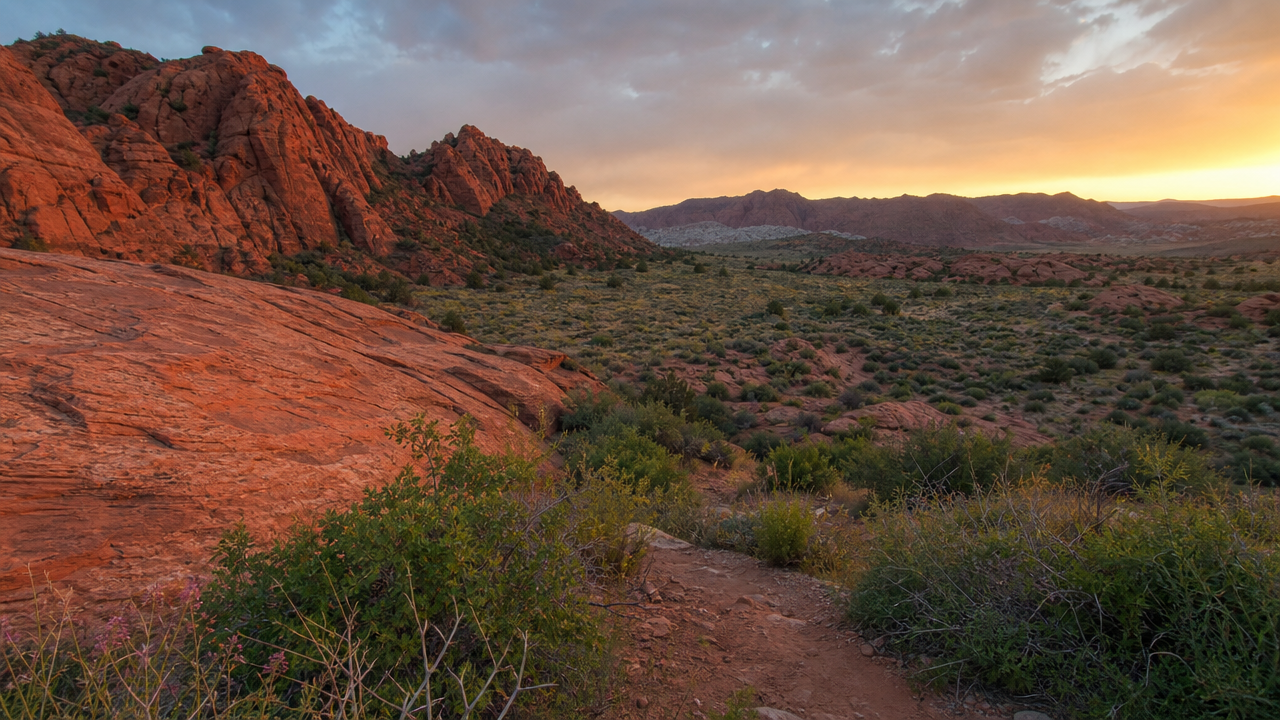
Snow Canyon State Park
15 miles
Located just northwest of St. George, this park offers volcanic cones and red sandstone cliffs that provide a smaller-scale preview of the geological formations found in the national parks.

Two parks, one question, and an answer that changes depending on which one you reach first. Southern Utah's air access is thinner than most first-time visitors expect, and the map rewards travellers who understand the difference between the nearest runway and the most useful one. This page sets out the geography plainly, then leaves the pricing and timing detail to the sections built for it.
Quick answer
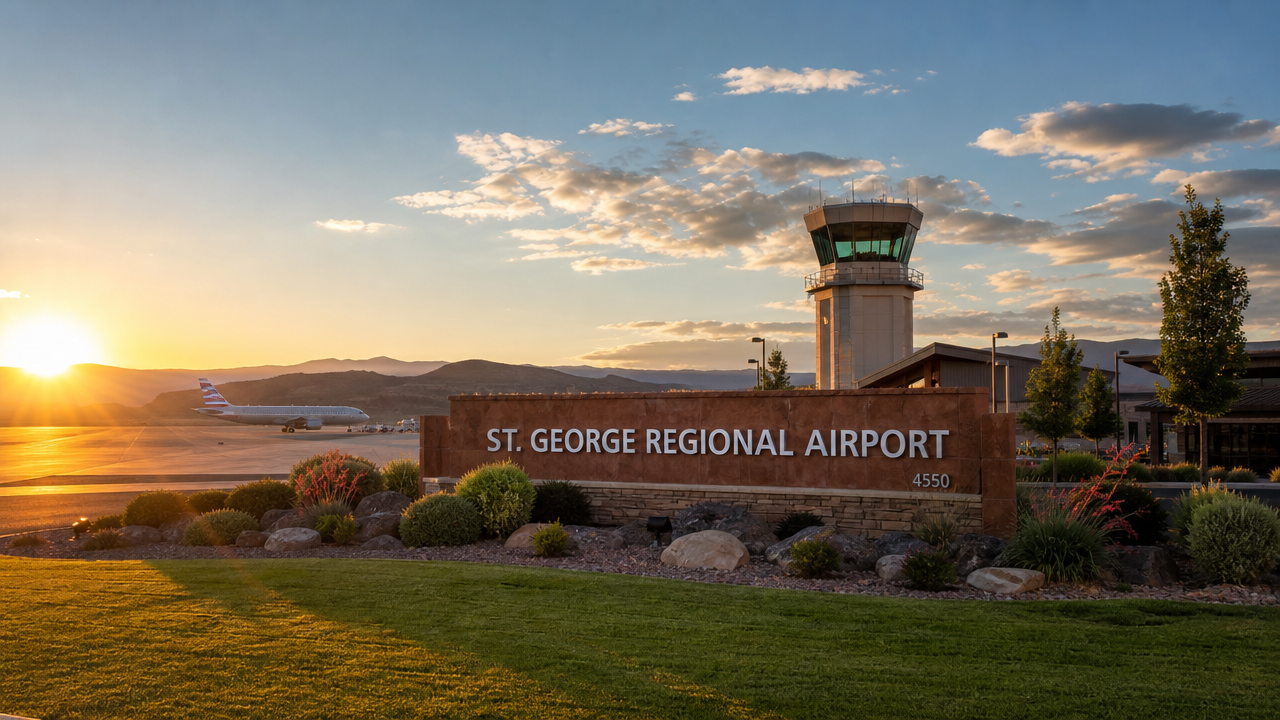
The closest airport to Bryce and Zion is St. George Regional Airport (SGU), St. George, Utah, USA — roughly an hour from Zion's southwest corner and around three hours from Bryce Canyon. Its commercial schedule is limited, so many travellers fly into Las Vegas or Salt Lake City instead and accept a longer drive in exchange for wider flight choice and cheaper rental cars.
Zion receives more annual visitors than Yosemite, yet the runway nearest its gates handles a fraction of the traffic of a mid-size regional hub. That imbalance shapes almost every arrival decision made in southern Utah. St. George Regional Airport sits on a mesa above the Virgin River valley, close enough to Springdale that a morning landing can put a traveller at the park boundary before the shuttle queues build, but served by only a handful of carriers on routes that shift with the season. The honest answer to the closest airport to Bryce and Zion question involves accepting a trade. Distance and convenience pull in opposite directions here. St. George wins on mileage to Zion; it does not win on frequency, fare or fleet size. Las Vegas lies roughly two and a half hours southwest along Interstate 15, and its volume of transatlantic and domestic connections makes it the practical entry point for most international visitors, particularly those combining the Colorado Plateau with the wider Grand Circle. Salt Lake City serves the northern approach and suits travellers building a loop through Capitol Reef, Moab and Arches. Cedar City Regional handles a small number of connecting flights and sits between the two parks, useful in theory, thin in practice. Bryce Canyon complicates the picture further. It stands at over 8,000 feet on the Paunsaugunt Plateau, more than 80 miles beyond Zion by road, reached through Highway 12 and the switchbacks below Red Canyon. No commercial airport is genuinely near it. Bryce Canyon Airport, a general-aviation field east of the park, takes private traffic only. Any Bryce itinerary therefore assumes a substantial drive, whichever runway the journey begins on, and most visitors treat Zion as the anchor and Bryce as the extension. What this means in practice: choose the airport that matches the shape of the trip, not the one that shaves miles off a single leg. Short visits focused on Angels Landing, the Narrows and the Kolob Canyons benefit from landing at St. George. Longer circuits, or trips departing from a Nevada base, work better from Las Vegas, where guided routes to both canyons already operate. Rental availability, one-way drop fees and the elevation difference between the two parks matter more than the last thirty minutes of driving. Reading any closest airport to Bryce and Zion guide against your own itinerary, rather than against a distance table, produces the better decision.
“Choose the airport that matches the shape of the trip, not the one that shaves miles off a single leg.”
St. George Regional Airport (SGU) serves as the primary regional access point for travelers visiting Zion and Bryce Canyon National Parks. Located in St. George, Utah, the airport offers the most direct logistical route for reaching both protected areas by car.
I-15 N to UT-9 E (Zion National Park)
UT-9 E to US-89 N to UT-12 E (Bryce Canyon National Park)
Travelers should secure a rental vehicle at St. George Regional Airport to navigate the corridor between the parks effectively. Utilizing UT-9 provides the most direct road access into the Zion canyon system.
The best arrival window for the closest airport to Bryce and Zion is 06:00–09:00. This early timeframe is critical for mitigating peak crowds and avoiding the intensity of midday heat.
Mild, 60°F–75°F; pleasant for hiking
Spring offers manageable temperatures before the heat of summer arrives. Early arrivals ensure parking availability during these busy months.
Hot, 90°F–105°F; high heat risk
Summer experiences the most significant crowd density and intense temperatures. Arriving between 06:00 and 09:00 is essential to maximize outdoor time.
Cooling, 65°F–80°F; comfortable conditions
Fall provides stable weather and fewer crowds than summer. Early morning access remains the most effective strategy to secure parking.
—
Mid-week visits minimize weekend surges. Arriving by 09:00 consistently provides the best access to park facilities.
Verdict: The optimal visit occurs Tuesday to Thursday, arriving between 06:00 and 09:00, during the months of April or October.
Entrance fees for Zion and Bryce Canyon National Parks are determined by vehicle type and residency status. These charges are standardized to maintain park facilities and infrastructure.
Verdict: A typical adult non-U.S. resident pays 135 USD, while the standard vehicle fee remains 35 USD.
The park areas near St. George Regional Airport remain accessible to visitors throughout the entire week. These locations maintain consistent operational schedules every day of the year.
Flying into St. George Regional Airport (SGU) positions visitors at the gateway to the Southwest, allowing for a logical progression from Zion National Park toward Bryce Canyon. These regional sites complement a trip by breaking up the drive along scenic corridors.
15 miles
Located just northwest of St. George, this park offers volcanic cones and red sandstone cliffs that provide a smaller-scale preview of the geological formations found in the national parks.
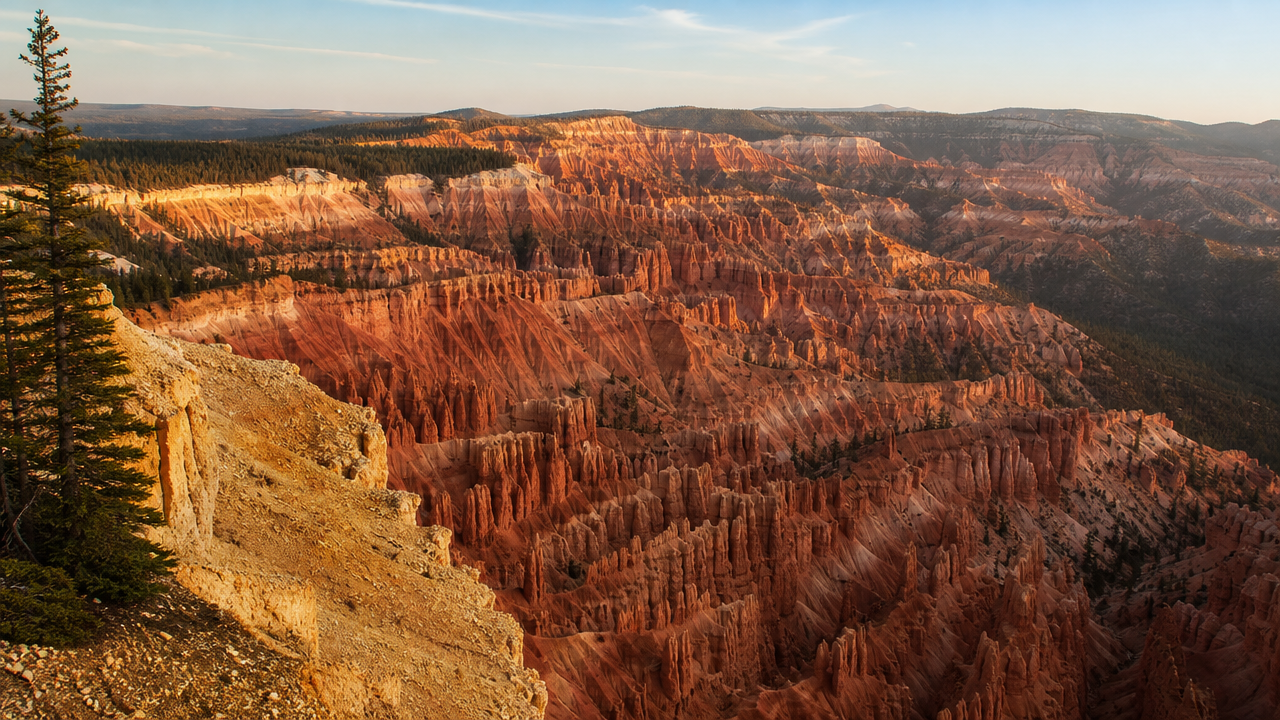
85 miles
Situated along the route toward Bryce Canyon, this high-altitude amphitheater mirrors the hoodoo structures of Bryce at a higher elevation.
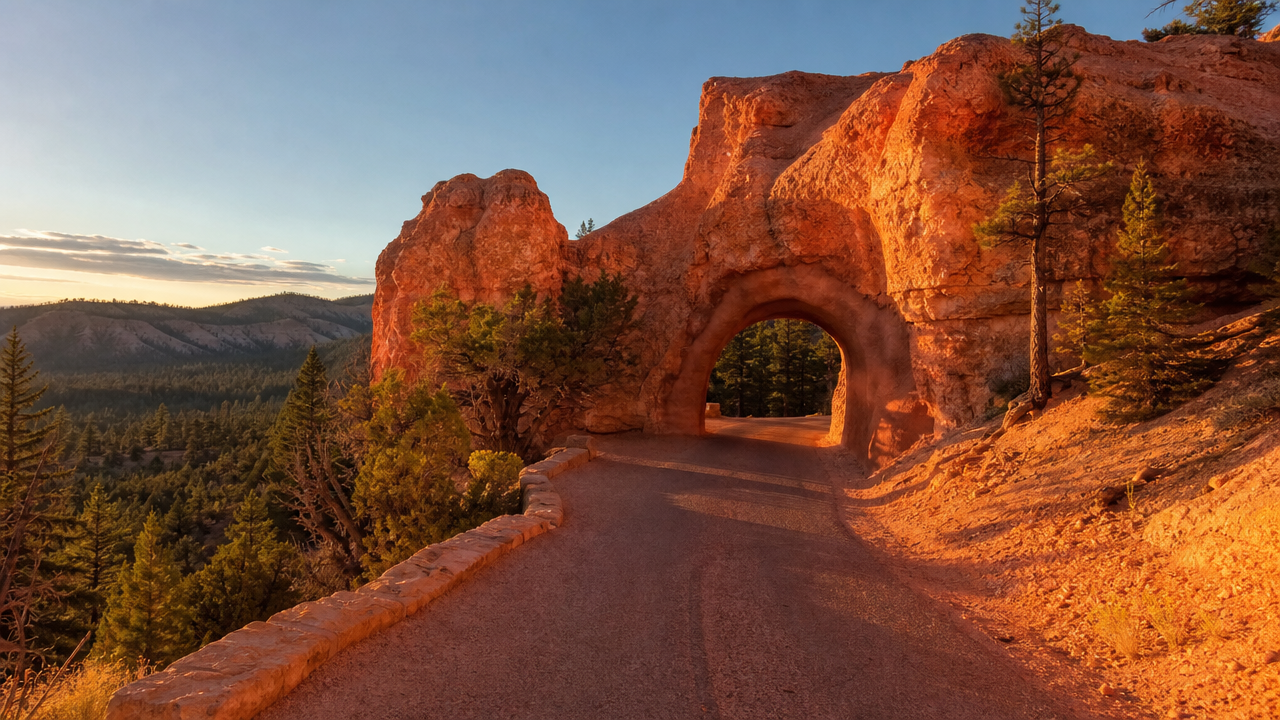
110 miles
Found on Highway 12 approaching Bryce Canyon, this area features striking red rock tunnels and trails that serve as a natural prelude to the main park entrance.
Everything you need to know about closest airport to bryce and zion
The St. George Regional Airport (SGU) is the closest airport to bryce and zion, providing the most direct access to the region. Travelers seeking a convenient gateway to these geological landmarks often choose this facility for its proximity. Utilizing the closest airport to bryce and zion minimizes drive time significantly compared to flying into major hubs. Planning your arrival at the closest airport to bryce and zion allows for a smoother transition to your hiking and sightseeing itinerary. St. George Regional Airport offers excellent connectivity for those touring southern Utah, acting as the primary hub for local adventure travel. While other airports exist further away, this location serves as the most efficient base for your journey. Driving times vary, but accessing the parks from St. George is generally a straightforward route through southern Utah highways. Expect a scenic drive as you transition from the airport facilities toward the sandstone cliffs and hoodoos. A personal or rental vehicle is highly recommended to explore both parks independently at your own pace. While some tours provide transport, having your own car ensures flexibility for visiting varied trailheads and canyon viewpoints. The entrance fee is 135 USD, which includes the standard vehicle fee of 35 USD plus a 100 USD non-U.S. resident surcharge per adult. Please note that fees are subject to park regulations and should be verified on the official site before your departure. The park is open Monday through Sunday from 00:00–23:59. These hours ensure that visitors can access the area at various times, though specific trail availability may fluctuate. Early arrival between 06:00–09:00 is recommended to beat peak crowds and avoid the intensity of the midday heat. Arriving early also ensures better parking availability near the most popular shuttles and visitor centers.